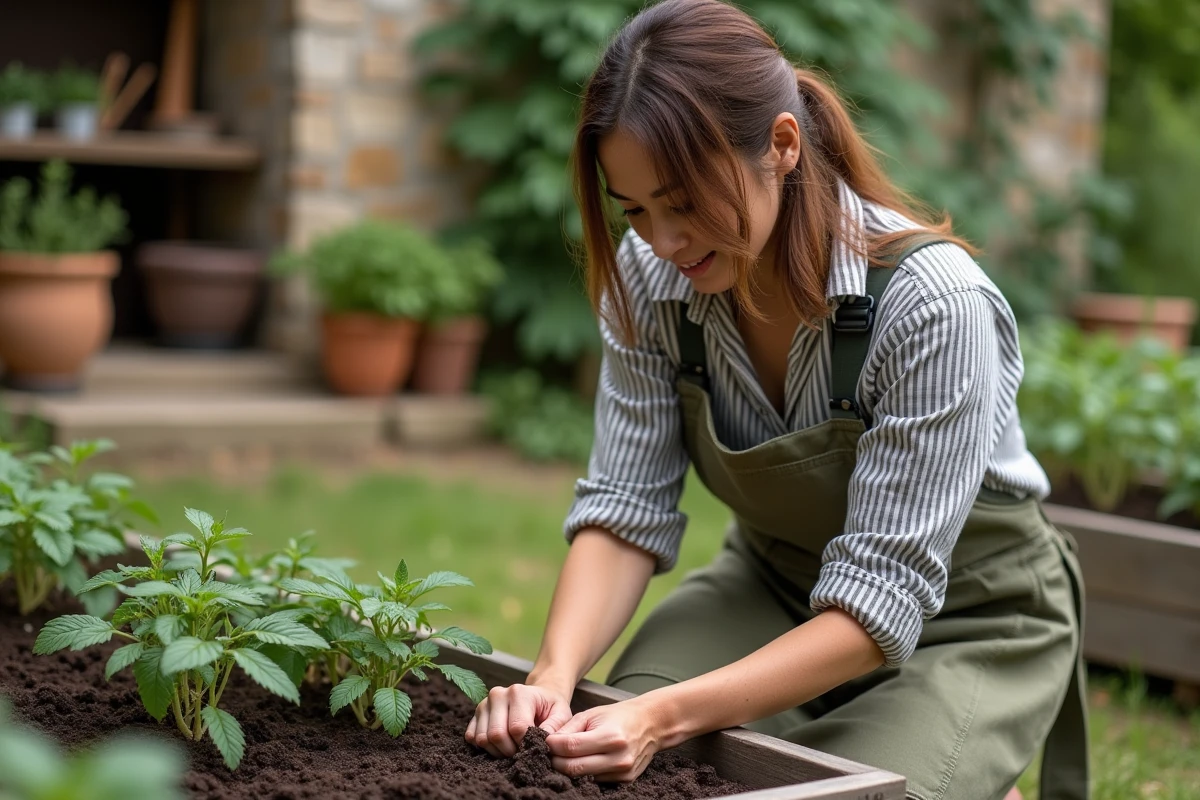
A productive vegetable garden is based on a simple principle: every cultural action must correspond to the physiological stage of the plants and the state of the soil at a given moment. Sowing too early, watering without considering the actual moisture, or neglecting soil cover between crops reduces yields much more than a lack of space or equipment.
Permanent soil cover: the foundation that sowing calendars overlook
Most gardening guides detail what to sow and when. They overlook the condition of the soil that hosts these sowings. Bare soil between two crops compacts under rain, loses its organic matter through oxidation, and sees its microfauna disappear within weeks.
Permanent soil cover means never leaving the soil bare. In practice, this involves using organic mulch (straw, hay, wood chips) or sowing green manures as soon as a bed becomes available. This approach, derived from regenerative agriculture and documented by ITAB, has been gaining traction among amateur gardeners in recent years.
The benefit is direct: the soil retains its moisture, weeds germinate less, and earthworms work the structure for you. Instead of digging every spring, you achieve soft soil by removing the mulch at the time of sowing. To delve deeper into these practices and find additional resources, spotjardin.com offers guides tailored to each season.
Crop rotation in the vegetable garden: three rules to avoid diseases
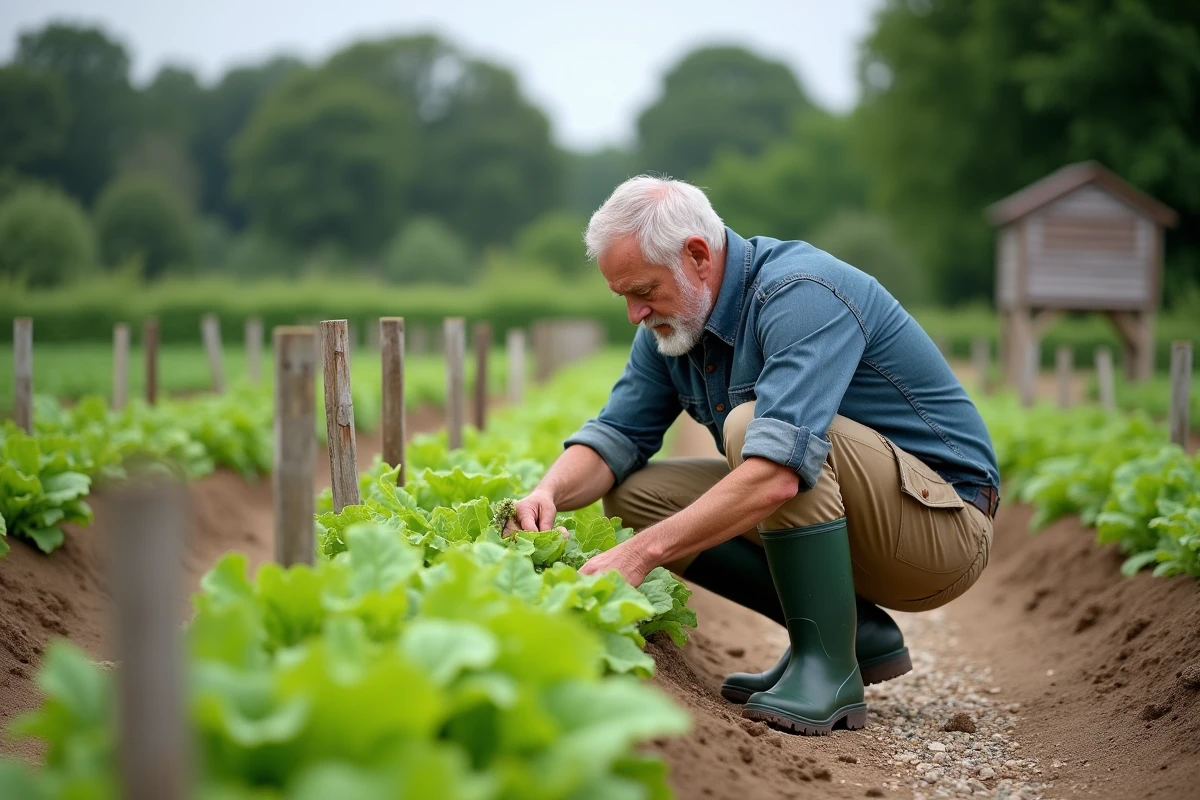
Planting tomatoes in the same spot for several consecutive years depletes the soil of specific nutrients and promotes the accumulation of pathogens. Crop rotation involves moving each botanical family from one bed to another from one season to the next.
The principle can be summarized in three operational rules:
- Never follow a solanaceous plant (tomatoes, peppers, eggplants) with another solanaceous plant in the same bed, even after a full winter.
- Alternate nitrogen-hungry vegetables (squashes, cabbages) with legumes (beans, peas) that fix this element in the soil through their root nodules.
- Intercrop root vegetables (carrots, beets) between two leafy vegetable crops to work different soil depths.
This rotation limits soil-borne fungal diseases and reduces the pressure from specialized pests. It works even in a small vegetable garden of just a few square meters, provided the space is divided into at least three zones.
Watering and water management in the face of summer restrictions
Watering represents the most visible consumption in a vegetable garden. With increasingly frequent water restrictions in summer, watering less but better becomes a technical necessity, not just a common-sense suggestion.
The first effective measure is to mulch before the heat arrives. A sufficiently thick layer of straw or hay significantly reduces evaporation. Watering on mulched soil in the evening effectively halves the frequency of watering compared to bare soil watered during the day.
Moisture sensors for small vegetable gardens
For a few seasons now, connected moisture sensors available to individuals allow for measuring the actual water level in the top few centimeters of soil. These tools prevent habitual watering, which wastes water and promotes fungal diseases due to excess moisture at the base of the vegetables.
A sensor placed near tomatoes or squashes indicates when the soil drops below the critical threshold. This changes the watering logic: water when the soil demands it, not when the calendar suggests it.
Adapting your sowing calendar to local climate shifts
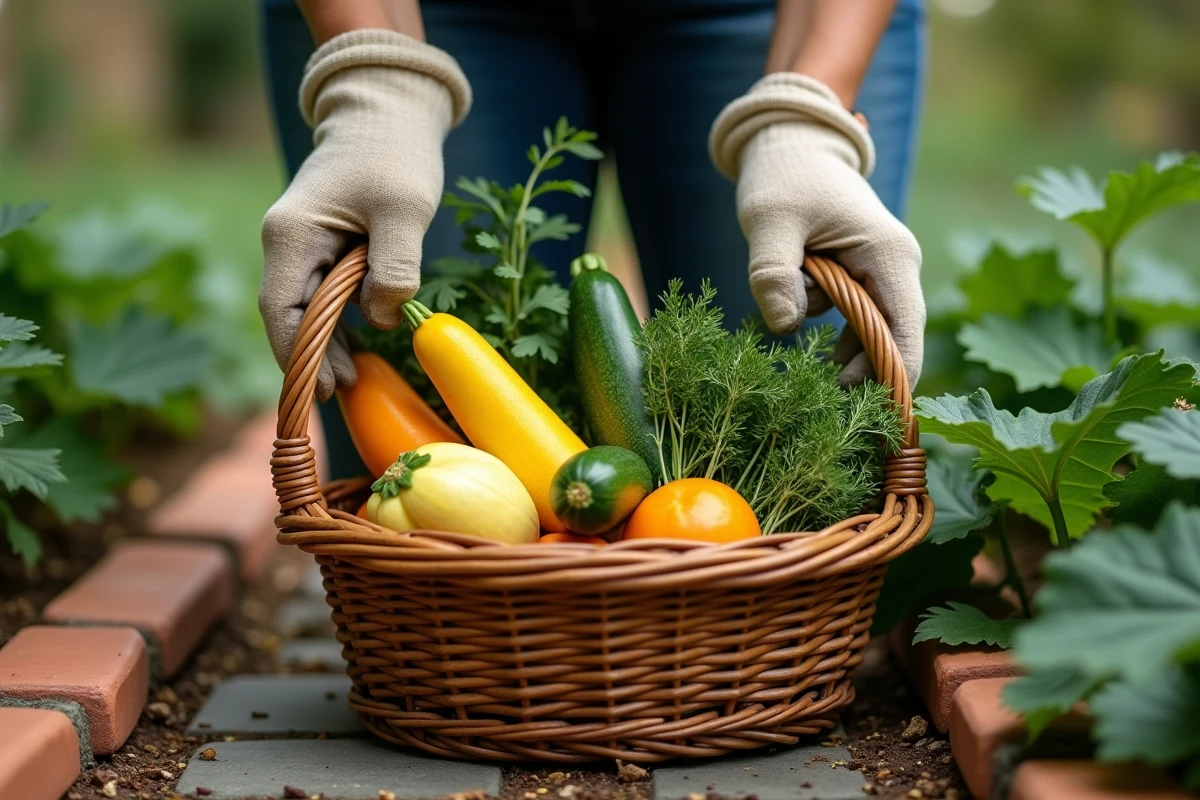
Traditional sowing calendars are based on regional climate averages calculated over decades. The phenological shifts observed in recent years call these benchmarks into question. The last spring frosts arrive earlier in some regions, later in others, and autumns remain mild longer.
Rather than following a fixed calendar, observing local indicators yields better results. The flowering of lilacs, for example, traditionally signals the end of late frost risks. Soil temperature, measurable with a simple kitchen thermometer pushed a few centimeters into the ground, indicates whether direct sowings of beans or squashes have a chance of germinating.
Heirloom varieties and local resilience
Standard commercial varieties are selected for average conditions. Heirloom or local varieties, adapted to a specific terroir, often tolerate temperature fluctuations and dry spells better. Seeking local seeds from exchange networks or regional conservatories allows for gradually building a more resilient vegetable garden in the face of climate variability.
Compost and soil fertility: nourishing the earth rather than the plants
Adding fertilizer at the base of vegetables addresses a symptom. Enriching the soil with organic matter tackles the cause. Mature compost, spread on the surface before each new planting, nourishes the microorganisms that make nutrients available to the roots.
Quality compost is recognized by its forest floor smell and crumbly texture. If it smells of ammonia or has undecomposed chunks, it is not ready. Incorporating it too early risks burning young plants or causing a temporary nitrogen hunger in the soil.
Applying compost twice a year (in spring before sowing and in autumn before winter mulching) is sufficient to maintain the fertility of a family vegetable garden without resorting to additional fertilizers, provided that the rotation described above is also practiced.
A vegetable garden that thrives through the seasons relies less on the accumulation of actions than on their coherence: covered and living soil, alternating crops, watering guided by observation. The rest, nature takes care of it.