The wild orchid, this majestic flower that adorns the most picturesque landscapes, is often seen as a challenge for gardeners. However, cultivating it in a domestic setting is far from an impossible task. Through an overview of the best practices for growing it, this file will reveal the secrets to growing a wild orchid in your garden. Whether you are an amateur gardener or an experienced horticulturist, you will find valuable tips to encourage the blooming of this queen of plants. So, prepare your potting soil, watering cans, and your unconditional love for gardening, because it’s time to discover the fascinating world of wild orchids.
Wild Orchid: Mysterious Beauty to Preserve
‘Can you plant an orchid in the ground?’ is a very common question among gardening and botany enthusiasts. To answer it correctly, one must have a precise understanding of the specific needs of each variety of orchids.
It is essential to emphasize that not all orchids are alike. Some species have a natural inclination to grow on tree trunks or in the crevices of trees • these are the epiphytes. In contrast, some other varieties can be classified as terrestrial and thrive when planted directly in garden soil.
Therefore, if you are wondering ‘can you plant an orchid in the ground?’, the answer will fundamentally depend on the specific type of orchid you have in hand. If your specimen belongs to the so-called terrestrial genus (like Orchis Mascula), then yes! You can consider this joyfully but also with caution.
The first condition necessary for successfully undertaking this venture undeniably lies in impeccable soil drainage: these magnificent exotic plants dread stagnant water that can cause mold and potentially destructive fungal diseases. So make sure your soil has excellent drainage capacity; don’t hesitate to add a bit of sand or any other improving additive if needed.
The topic ‘can you plant an orchid in the ground?’ also inevitably includes a careful analysis of the desired pH! Orchids generally prefer a slightly acidic environment (pH 6). Testing the pH before any planting could thus prevent many inconveniences!
Finally, regarding their ideal location: choose a semi-shaded spot where they will be protected from the scorching rays of the sun while receiving enough indirect light to promote their lush photosynthetic growth!
Ultimately, when faced with the question: ‘Can you plant an orchid in the ground?’, we can affirm: Yes…but only after carefully considering their particular physiological requirements.
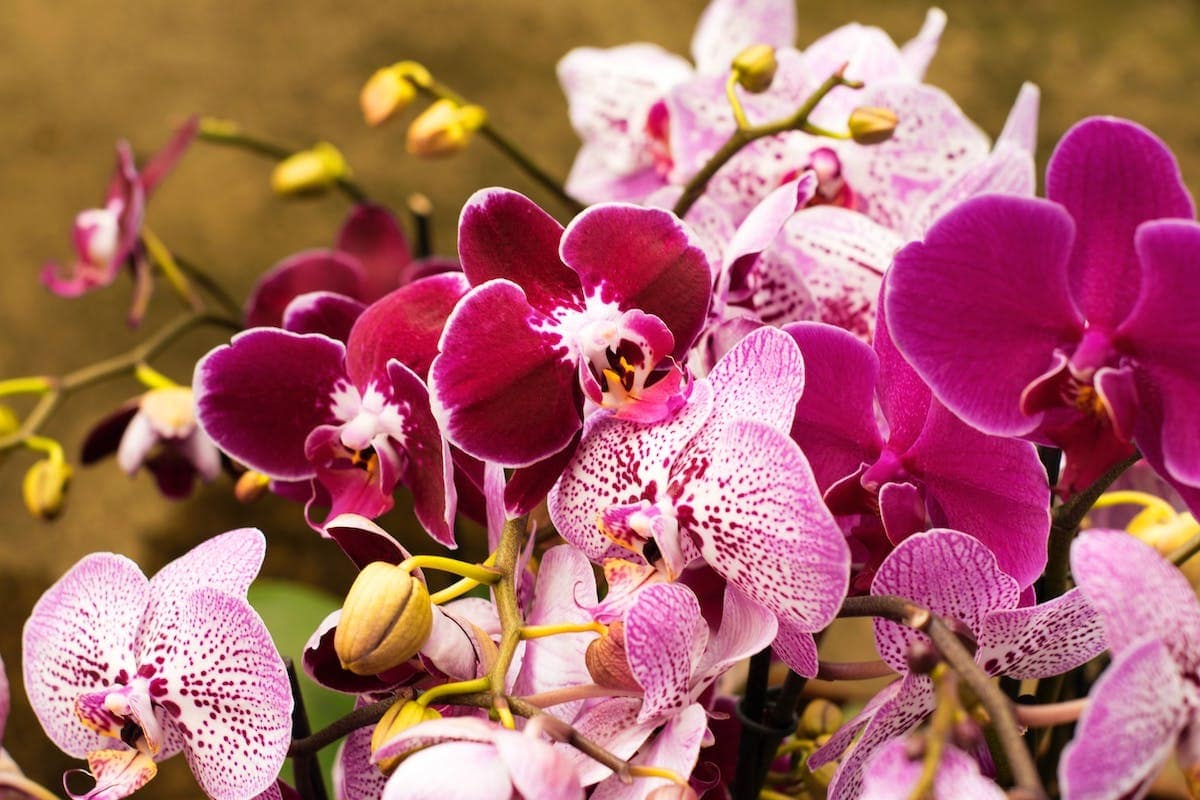
Growing the Wild Orchid: Ideal Conditions
In the quest for the perfect spot for your wild orchid, you must take into account the climate and the environmental conditions of your region.
Wild orchids often originate from tropical or subtropical areas, where they thrive in a warm and humid climate. Some varieties can also adapt to more temperate climates. You must make your choice.
Light plays a crucial role in the growth of wild orchids. These exotic plants need adequate sun exposure to carry out their vital photosynthetic process. Direct exposure to scorching rays can be harmful to these delicate flowers. Therefore, prefer a semi-shaded location where the orchid will benefit from a proper balance between bright light and protection from extreme temperatures.
You must consider the ventilation around your plant. Orchids need sufficient air circulation to prevent the onset of fungal or bacterial diseases related to excessive stagnant humidity. Ensure that the chosen location allows for good airflow to guarantee optimal health for your precious flowers.
Regarding the soil, some terrestrial species require a specific substrate to thrive. It is recommended to use a mix of potting soil, peat, and perlite to ensure good drainage while maintaining some moisture retention necessary for these delicate plants.
Wild orchids are often sensitive to variations in soil pH. To promote their growth and blooming, it is preferable to have slightly acidic soil with a pH between 6 and 7. Don’t hesitate to have your soil analyzed before planting to adjust the pH if necessary.
You must consider the overall aesthetics of your garden when choosing the ideal location for your wild orchids. These exotic flowers add an elegant and colorful touch to your outdoor landscape. Try to integrate them harmoniously into your existing landscaping, taking into account the colors, shapes, and textures that will blend well with other plants present.
Choosing the right location for your wild orchid requires reflection and consideration. Take into account the specific climatic requirements as well as light, ventilation, suitable soil, and overall aesthetics to provide your precious flowers with all the necessary conditions for their optimal flourishing in your garden.
Wild Orchid: Choosing the Right Location
To keep your wild orchid healthy, special attention must be paid to watering and fertilization. These exotic plants have specific needs regarding hydration and nutrition.
Watering wild orchids must be done carefully to avoid excess water that can lead to root rot. By providing adequate fertilization, pruning, and protection against pests, you will offer your precious exotic flowers everything they need to bloom beautifully under your amazed gaze.
Specific Care for a Healthy Wild Orchid
To optimize the blooming of your wild orchid, here are some essential tips to know. Make sure to place your plant in a well-lit area, but avoid direct sunlight that could burn its delicate leaves.
Ensure to maintain a constant and appropriate temperature for your wild orchid. These plants generally prefer moderate temperatures ranging from 18°C to 24°C during the day, and slightly cooler at night. Avoid sudden temperature changes that could stress your plant.
Humidity is also a crucial element for promoting beautiful blooming. Wild orchids need a relatively high level of humidity around them. You can recreate these conditions by using a humidifier or placing trays filled with water near your plant.
Another important aspect is the choice of appropriate substrate for your wild orchids. Opt for a substrate rich in organic matter like pine bark or coconut fiber, which will allow good aeration of the roots while retaining enough water.
The regular pruning of faded or damaged stems also contributes to the good development of your wild orchids. By carefully cutting these unnecessary parts, you stimulate healthy growth and encourage the appearance of new flowers.
Don’t forget that each species of wild orchid has its own specific needs.
Encouraging the Blooming of Your Wild Orchid: Tips
To preserve the fragile beauty of your wild orchid, you must take preventive measures to protect it from potential predators. These magnificent seedlings can be targets for harmful insects or even curious animals. Here are some tips to ensure their safety:
• Keep away from chemical insecticides: The excessive and indiscriminate use of chemicals can not only harm the environment but also severely damage your precious wild orchids. Instead, opt for natural alternatives like repellent essential oils or homemade insecticidal soap.
• Install a physical barrier: If you notice a regular presence of pests such as slugs, snails, or other small pests in your garden, consider placing a barrier around your wild orchid plantings. This barrier can be made, for example, of fine mesh that will prevent these unwanted visitors from approaching.
Protecting Your Wild Orchid from Predators: Precautions
• Encourage natural predators: Insecticides can not only harm pests but also eliminate beneficial predators that could feed on these nuisances. Encourage the presence of birds, hedgehogs, or ladybugs in your garden by providing them with shelters and water sources. They will help naturally regulate the pest population.
• Monitor the soil moisture: Wild orchids appreciate a constant but well-drained moisture level. Therefore, ensure that the soil is neither too dry nor too wet. Use a rain gauge to measure water input precisely and adjust it according to the specific needs of your wild orchids.
• Practice moderate fertilization: Too often, we tend to over-enrich our plantings with powerful chemical fertilizers in hopes of achieving spectacular growth. Wild orchids are accustomed to living in relatively nutrient-poor environments. Therefore, it is better to use a light organic fertilizer suited to the specific needs of these delicate seedlings.
By following these simple yet effective tips, you will allow your wild orchids to thrive harmoniously in your garden while respecting their natural habitat. Remember, the key to success lies in balance: provide them with optimal conditions without disturbing their delicate ecosystem. You will be able to enjoy the splendor and rarity of these botanical jewels within your outdoor environment.