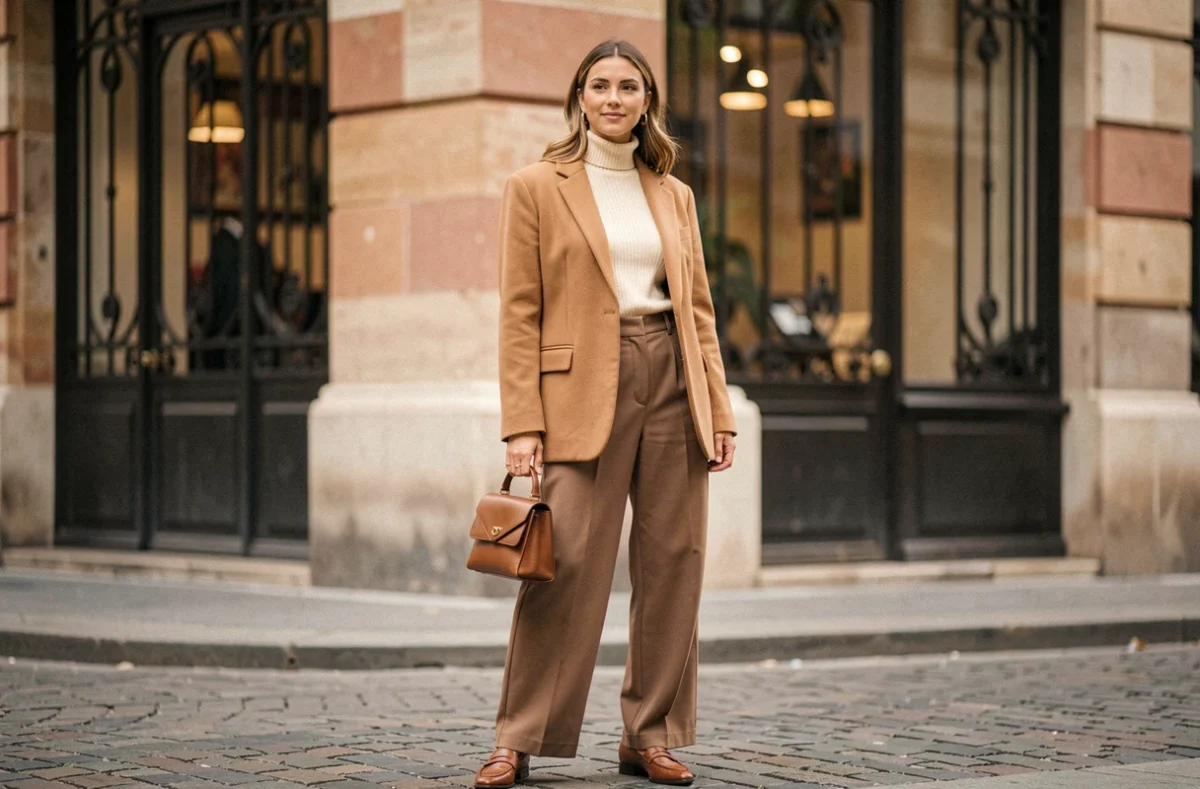
This season’s fashion trends can be understood on two levels. On the runways, the spring-summer 2027 shows confirmed fluid silhouettes, saturated colors, and a marked return to bespoke tailoring. Behind the scenes, the European regulatory framework is changing the way clothing is produced, traced, and sold. These two movements converge and redefine what it means to adopt a unique style in 2026-2027.
Digital passport and textile traceability: what changes for buyers
The European regulation on the eco-design of sustainable products (ESPR) introduces the digital passport for textile products. This system will gradually require brands to provide, via a QR code or NFC chip, detailed information about the composition, origin of materials, manufacturing conditions, and repair instructions for a garment.
For consumers, this means direct access to traceability data before purchase. Field reports still diverge on the exact timeline for implementation according to product categories, but the legal framework is established.
Another significant fact: the destruction of unsold textiles is prohibited for large companies in the European Union since July 19, 2026, under Article 25 of Regulation (EU) 2024/1781. Companies must declare the volumes destroyed and justify any exemptions. This measure pushes brands to adjust their production volumes and develop clearance or donation channels, which alters the available offer in stores and online.
For those seeking a coherent and sustainable wardrobe this season, these new rules serve as an additional selection filter. Traceable, repairable pieces from carefully calibrated collections gain visibility, including on Eva Mode’s fashion page, where selections incorporate these quality criteria.
Anti-fast fashion law in France: concrete effects on fashion offerings
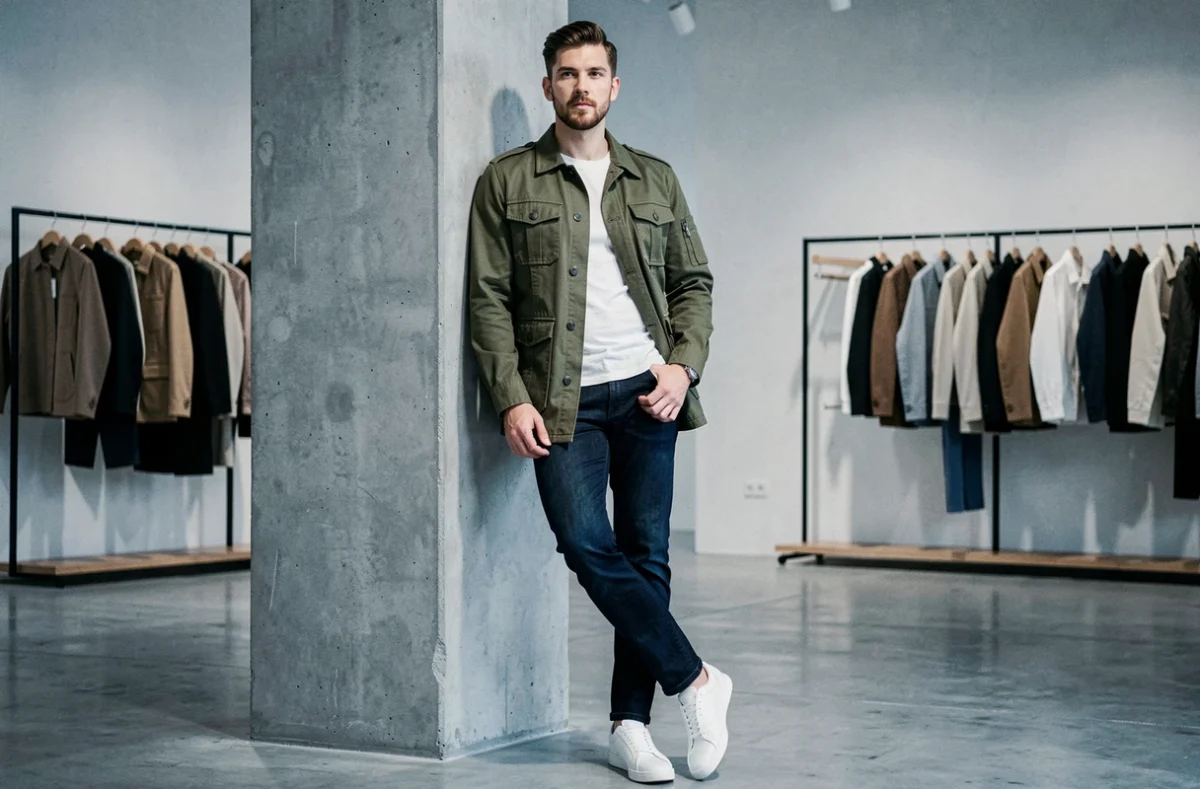
Since September 1, 2026, a new French system regulates so-called ultra-fast fashion. Contributions from the textile sector can now be adjusted based on the breadth of ranges offered and the repair efforts made by brands. Second-hand products are excluded from this system, which mechanically enhances their competitiveness.
This mechanism is not limited to a tax. It restructures the decisions of retailers. A brand that offers several thousand new references each month bears a higher contribution cost than a brand that refreshes its collections at a moderate pace. The available data does not yet allow for measuring the impact on selling prices, but the economic logic pushes towards tighter ranges and more durable pieces.
To build a personal style this season, this regulatory reality guides choices. Betting on versatile pieces rather than fleeting micro-trends becomes both an economic and aesthetic reflex.
Color and silhouette trends for autumn-winter 2026-2027
Recent Fashion Weeks have highlighted several strong themes. The season’s colors oscillate between deep earthy tones (brown, burgundy, forest green) and bright colors worn in blocks, without mixing. Red remains a dominant color, already present for several seasons and still favored on the runways as well as in street style.
In terms of silhouettes, three directions stand out:
- The oversized blazer worn with dropped shoulders over straight trousers or barrel jeans, a cut that has established itself as the alternative to slim for two seasons.
- The fluid midi dress in natural materials (linen, silk), cut in neutral tones or with subtle prints, that works well both day and night.
- Denim reworked into less expected forms: structured short jackets, long skirts, jumpsuits. Jeans are no longer confined to the lower body.
Sculptural accessories take precedence over discreet accessories. Geometric bags, chunky brushed metal jewelry, wide belts worn over clothing rather than in belt loops. These pieces allow for personalizing a simple look without multiplying garments.
Prints and patterns to remember
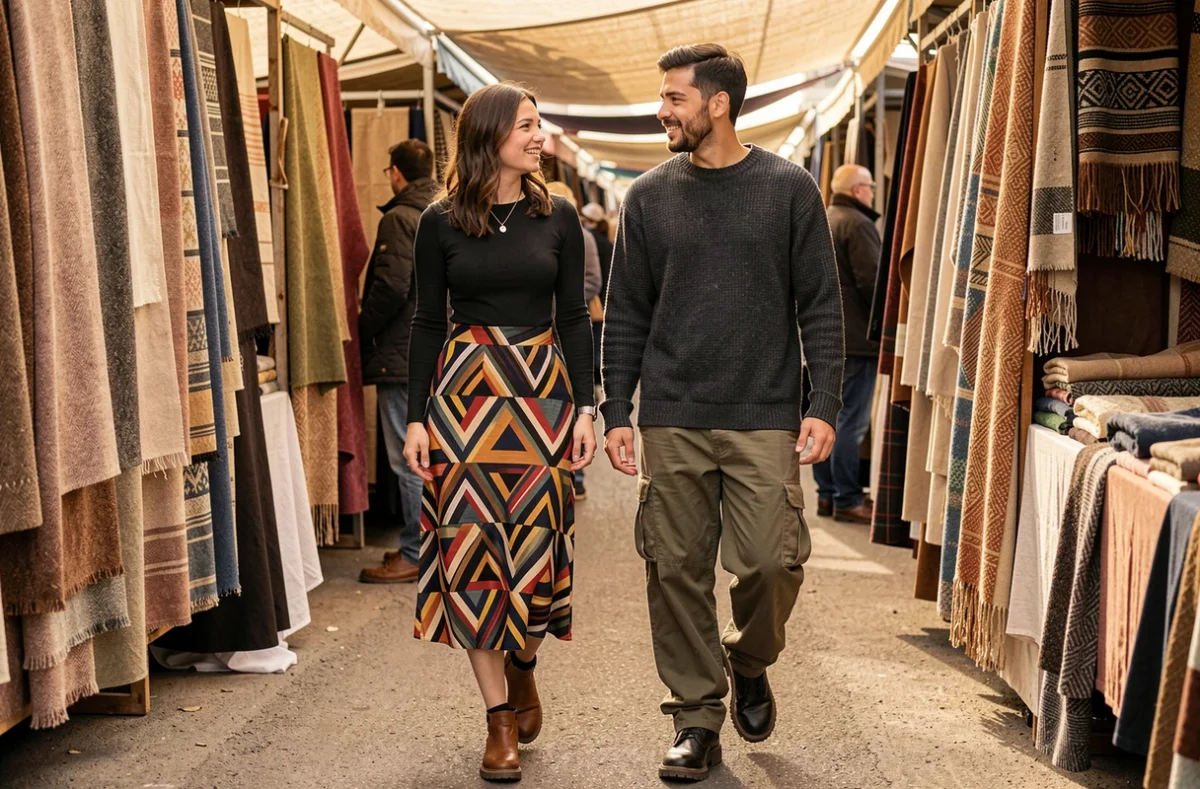
The leopard print continues its trajectory, but in reworked versions (pastel palette, enlarged scale). Stripes, on the other hand, return in a strict and graphic register, far from the classic sailor style. Floral patterns become more abstract, almost pictorial, breaking away from the small country flowers of previous seasons.
Building a unique style with fewer pieces
The convergence between new regulatory constraints and this season’s aesthetic trends pushes in the same direction: a curated wardrobe centered around chosen pieces is better than an accumulation of trends.
Three criteria allow for effective filtering:
- Versatility: a piece that works in at least three different outfits justifies its purchase. An oversized wool-blend blazer, for example, transitions effortlessly from the office to the weekend.
- Traceability: with the gradual arrival of the digital passport, prioritizing brands that already provide information about the origin and composition of their garments allows for staying ahead.
- Repairability: brands that invest in alteration or repair services indicate superior manufacturing quality. Reinforced seams, spare buttons provided, and fabrics that withstand dry cleaning are all concrete indicators.
This approach is not about aesthetic minimalism. It results from a context where the cost of fast fashion is rising (modulated contributions, end of unsold destruction) while second-hand options gain structure and accessibility.
The season that is opening rewards thoughtfully curated wardrobes rather than piled-up ones. A well-cut barrel jean, a structured blazer, and two strong accessories are enough to anchor a recognizable style without chasing after every new reference.