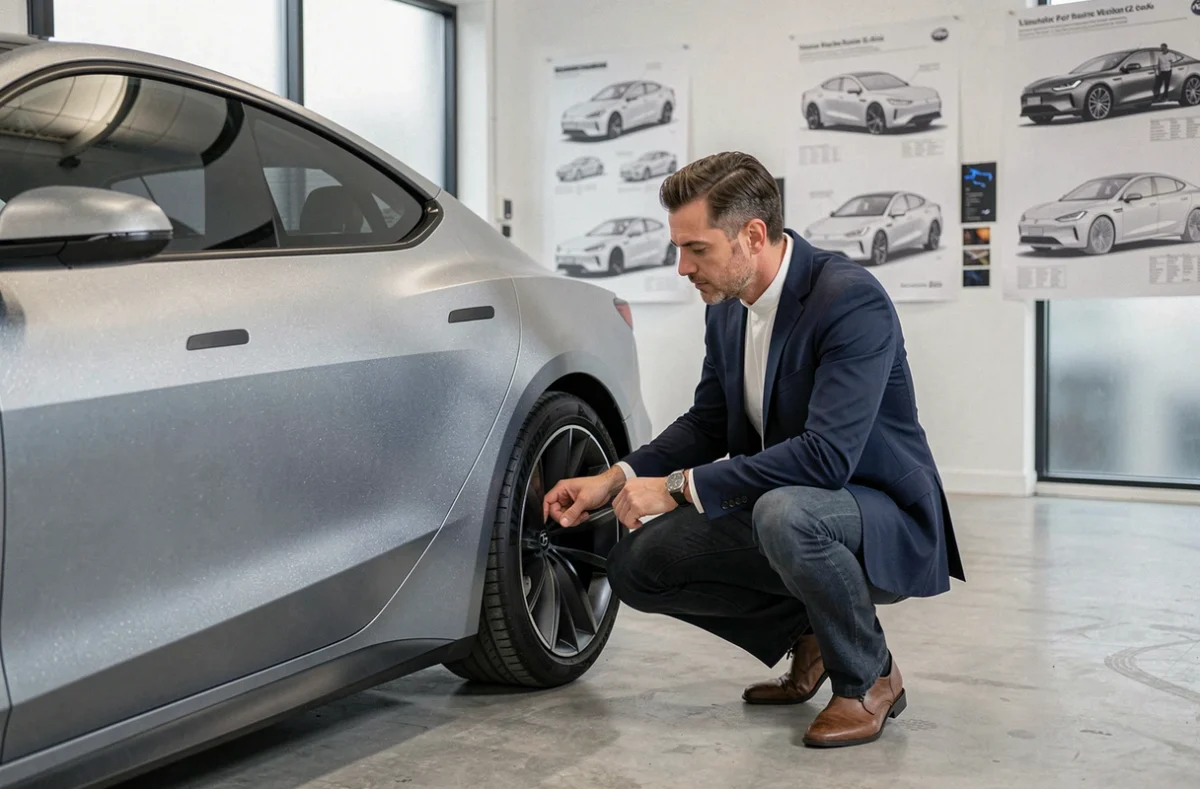
2026 marks a technical turning point for cars and motorcycles in Europe. The gradual introduction of the Euro 7 standard, the growing popularity of electric vehicles and the arrival of Chinese manufacturers on the European market are reshaping the mobility landscape. These changes affect more than just powertrains: they also involve driver assistance systems, regulations on non-exhaust emissions and charging infrastructure.
Euro 7 standard: what the regulations mean for new vehicles
Euro 7 covers more than exhaust gases. The European regulation extends its scope to brake and tyre particle emissions, which also affects electric vehicles. Models with zero tailpipe emissions will now have to meet limits on these fine mechanical particles.
The implementation deadlines are being phased in. Vehicles already on the road are not subject to these new type-approval requirements. However, any model undergoing a new type approval will have to comply. This is prompting manufacturers to rethink brake system design and tyre selection from the development stage onwards.
The impact on motorcyclists remains to be clarified. Motorcycles fall within the scope of Euro 7, but the limits and timelines differ from those for cars. Analyses published by Webcarnews on Auto Maniacs explore these regulatory changes and their practical impact on motorcycle ranges.

Europe’s electric car market: growth and Chinese competition
Battery electric vehicle registrations are rising sharply in Europe, driven by a broader range of models and gradually falling list prices.
Chinese manufacturers are capturing an increasing share of this growth. Their strategy is built on aggressive pricing and mature onboard technologies, forcing European manufacturers to rethink their model ranges and pricing. This competitive pressure is accelerating innovation in batteries, energy management software and vehicle electronic architectures.
Hybrids, meanwhile, remain the first choice for many European buyers. The shift to all-electric vehicles is progressing at different rates across powertrain types, and plug-in hybrid models often serve as an intermediate step for drivers who are still undecided.
Onboard technology and driver assistance: beyond autonomy
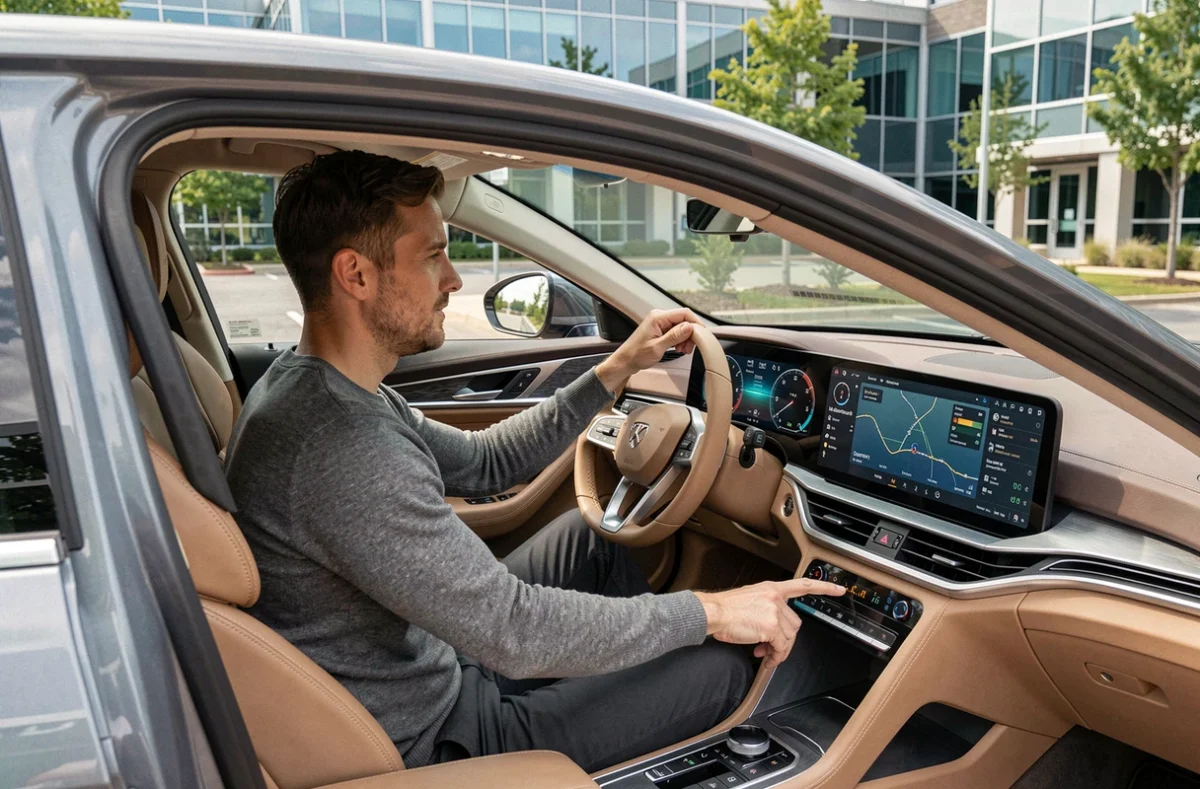
Driver assistance systems are becoming more sophisticated, even though fully autonomous vehicles are not yet a commercial reality on a large scale. Innovation is focused on more advanced software features:
- AI-powered predictive pedestrian detection anticipates movement without using LiDAR, reducing integration costs on mid-range models
- Motorcycle stabilisation technologies, with sensors measuring lean angle and speed in real time, improve low-speed safety and pave the way for more advanced assistance features
- Augmented reality head-up displays project navigation and warning information directly onto the windscreen, reducing distractions caused by the central screen
These technologies are not equally available across price ranges. An entry-level vehicle often comes with only automatic emergency braking, while a premium model may feature a dozen sensors and several cameras. The active safety gap between price segments is narrowing, but slowly.
Charging infrastructure and the regional divide: the real barrier to electric mobility
Rising electric vehicle sales say little about the day-to-day experience of drivers in rural and suburban areas. The rollout of charging stations remains highly uneven across countries and regions. Major cities and motorways account for most of the network, while some regions remain underserved.
This regional divide creates a practical problem. A driver who regularly travels on secondary roads in a region with few fast-charging stations does not enjoy the same conditions as someone living in a city. The promise of electric mobility for all is running up against infrastructure disparities that are not narrowing at the same pace as sales are growing.
Home charging and apartment buildings
Installing a charging station in a detached house remains the simplest option. In apartment buildings, the process takes longer and depends on a vote at the general meeting. This administrative hurdle is slowing electric vehicle adoption among a significant share of urban households without a private garage.
Battery innovations, including faster charging and greater range, partly ease the problem by reducing how often vehicles need to be charged. They do not eliminate it. Without an evenly distributed network, the benefits of technological advances will mainly go to areas that are already well served.
Motorcycle mobility in 2026: electrification and new uses
The electric motorcycle segment remains small in terms of volume, but manufacturers are launching more and more models. Lightweight urban models (125cc equivalents) are finding an audience among commuters. More powerful electric motorcycles are still struggling to win over riders used to long distances, due to limited range and a charging network that is not yet suited to two-wheelers.
Onboard connectivity is also transforming the riding experience. Dashboard-integrated navigation, collision alerts and blind-spot detection—features long reserved for cars—are gradually making their way onto motorcycles. Integration costs remain a barrier for entry-level models.
2026 confirms that innovation in cars and motorcycles is advancing on several fronts at once: regulation, powertrains, onboard software and infrastructure. The Euro 7 standard is forcing all manufacturers to rethink their vehicles beyond the engine. Electric car sales are accelerating, driven by Chinese competition.
Driver assistance technologies are becoming more widely available. The most tangible sticking point remains the charging network: until coverage keeps pace, the energy transition in mobility will continue to move at two speeds.