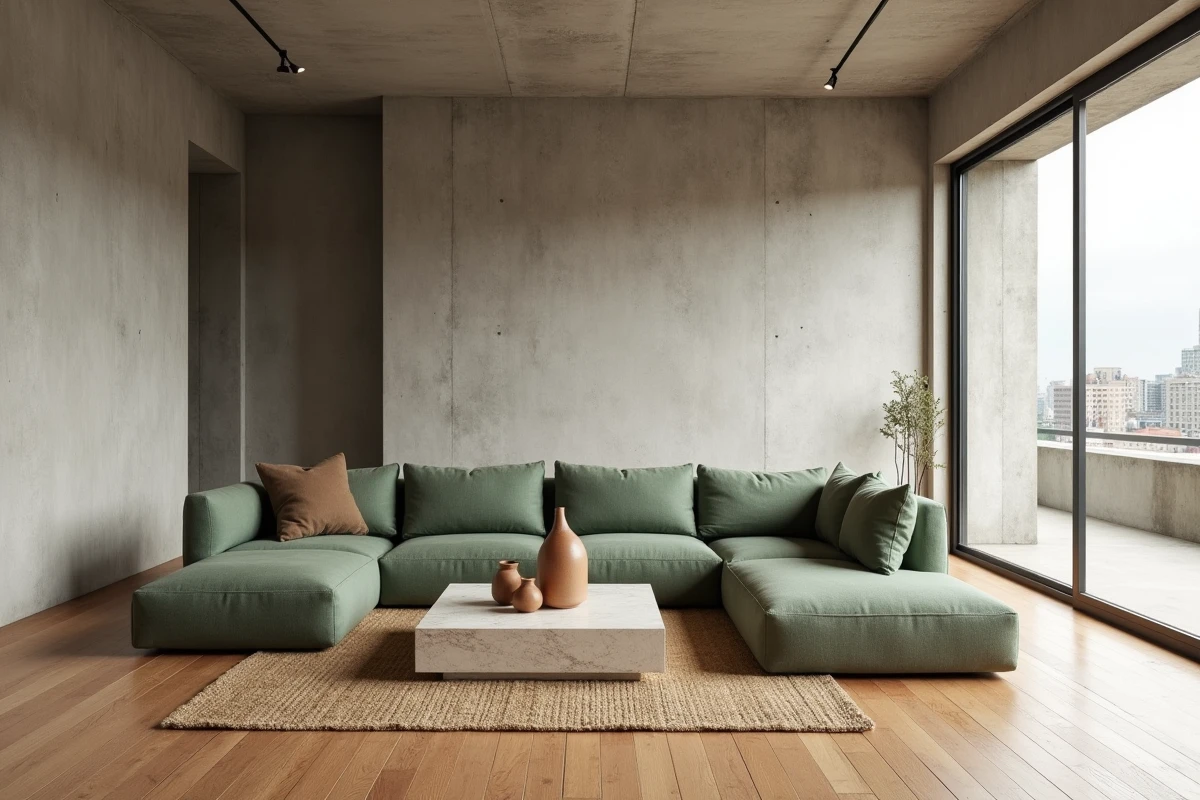
When renovating a living space and discovering, behind a knocked-down partition, an unmovable VMC casing, the decor trend takes a back seat. Interior architecture first plays out on these concrete constraints: ventilation, insulation, air quality, before discussing colors or furniture. The enduring trends are those that solve a real problem in your living space.
Indoor Air Quality and Low-Carbon Material Choices
One rarely starts a renovation project thinking about volatile organic compounds. The topic arises when choosing paint, flooring, or particle board for custom furniture. Anses recommends prioritizing products with very low VOC emissions, and this requirement directly modifies interior architecture choices.
In practical terms, this means that ventilation is integrated into the design of the rooms: open partitions, technical false ceilings, decorative casings that conceal ducts. VMC is no longer treated as a technical element to hide, but as a design constraint that influences the layout. The professionals listed at Archi Line incorporate this logic from the sketch phase, balancing energy performance and aesthetics.
On the materials side, the guides published by Ademe in 2024 for comprehensive renovation now include interior layout. Interior or exterior insulation, choices of visible low-carbon materials in decoration (earth plasters, raw wood panels, exposed hemp concrete): these technical decisions become aesthetic choices. An earth plaster wall does not need paint, and it naturally regulates the humidity of a room.
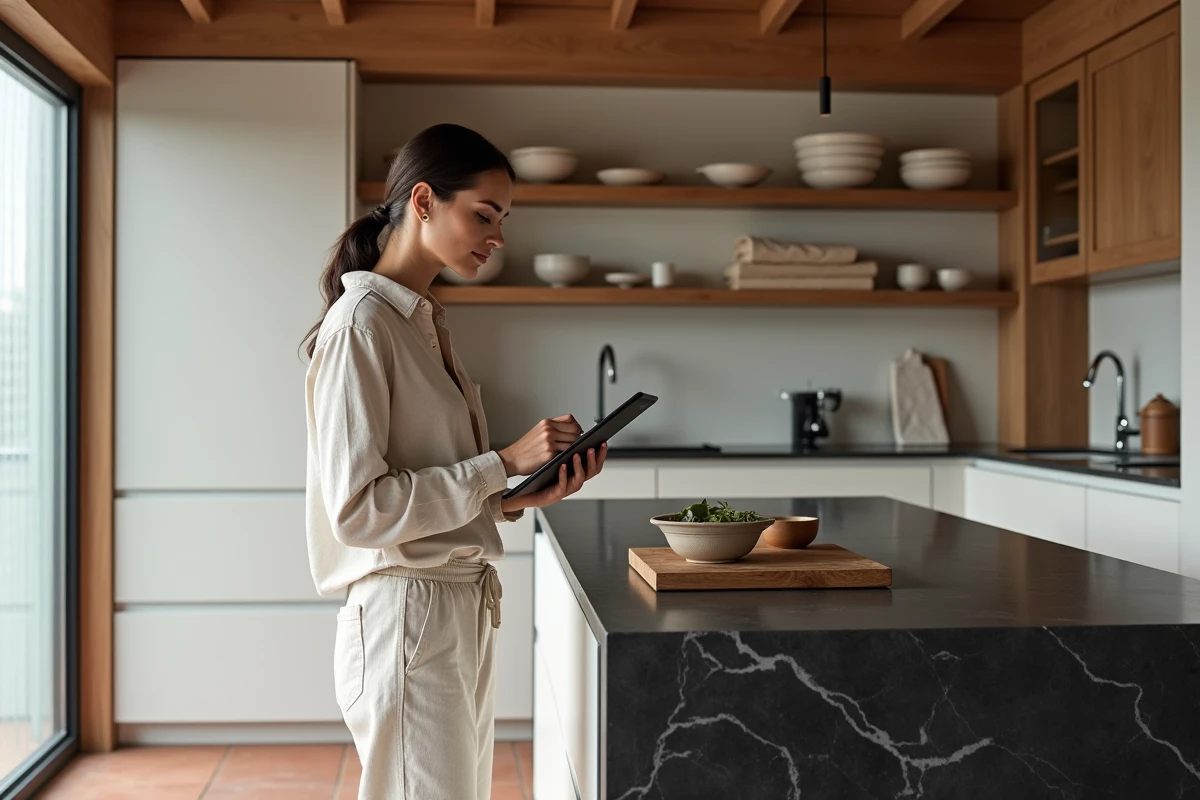
Neuro-Inclusive Interior Architecture: Adapting Light and Acoustics
There is much talk about cocooning atmospheres or calming minimalism. The subject goes further when designing a space for neurodivergent profiles (ADHD, autism). Some interior architects now create “low stimulation” zones in living spaces, with a precise focus on three parameters: light, acoustics, and color palette.
On the ground, this translates into concrete choices:
- Adjustable lighting in intensity and color temperature, controlled by dimmers or home automation, to adapt each room to the time of day and the occupant’s needs
- Absorptive wall coverings (felt, cork, textile acoustic panels) positioned in rest or work areas to reduce reverberation without partitioning
- Specific color palettes centered on muted and low-contrast shades, which avoid sensory overload while maintaining character
Feedback varies on this point: what works for an ADHD profile (need for moderate stimulation, warm colors in the background) does not always suit an autistic profile that prefers cool and neutral tones. A good neuro-inclusive project starts from an in-depth interview, not a one-size-fits-all recipe.
Natural Light and Circulation in Small Spaces
Natural light remains the most effective lever for visually enlarging a room. We know this, but we apply it poorly. Knocking down a partition is not enough if the circulation plan blocks light diffusion. Half-walls, glass transoms above doors, and workshop-style skylights remain proven solutions for allowing light to flow without losing intimacy between spaces.
The common mistake: installing a skylight facing a solid wall. The light bounces poorly, and the room remains dark. Positioning the opening facing the source of natural light changes everything, and it’s a matter of planning, not budget.
Energy Renovation and Interior Design: What the European Directive Changes
The European directive 2023/1791 on the energy performance of buildings has direct consequences on interior architecture. When insulating from the inside, you lose centimeters in each room. The choice of insulation (thickness, performance) becomes a trade-off between thermal comfort and usable living space.
In a renovation project, this trade-off arises room by room. In a narrow kitchen, losing thickness on a wall can render a countertop unusable. In a bathroom, interior insulation requires rethinking the placement of sanitary fixtures. The renovation budget conditions the design long before the choice of colors.
Visible or Hidden Materials: A Distinct Decorative Choice
The current trend encourages leaving construction materials visible. A brick wall, a raw wood beam, uncoated wood fiber insulation: these elements become deliberate decorative choices. We shift from a “hide the technique” logic to a “show the material” logic.
This works well in open living spaces (living room, kitchen) where texture adds depth. In a bedroom or office, feedback is more mixed: acoustic comfort and smooth finishes are often preferred for these rooms.
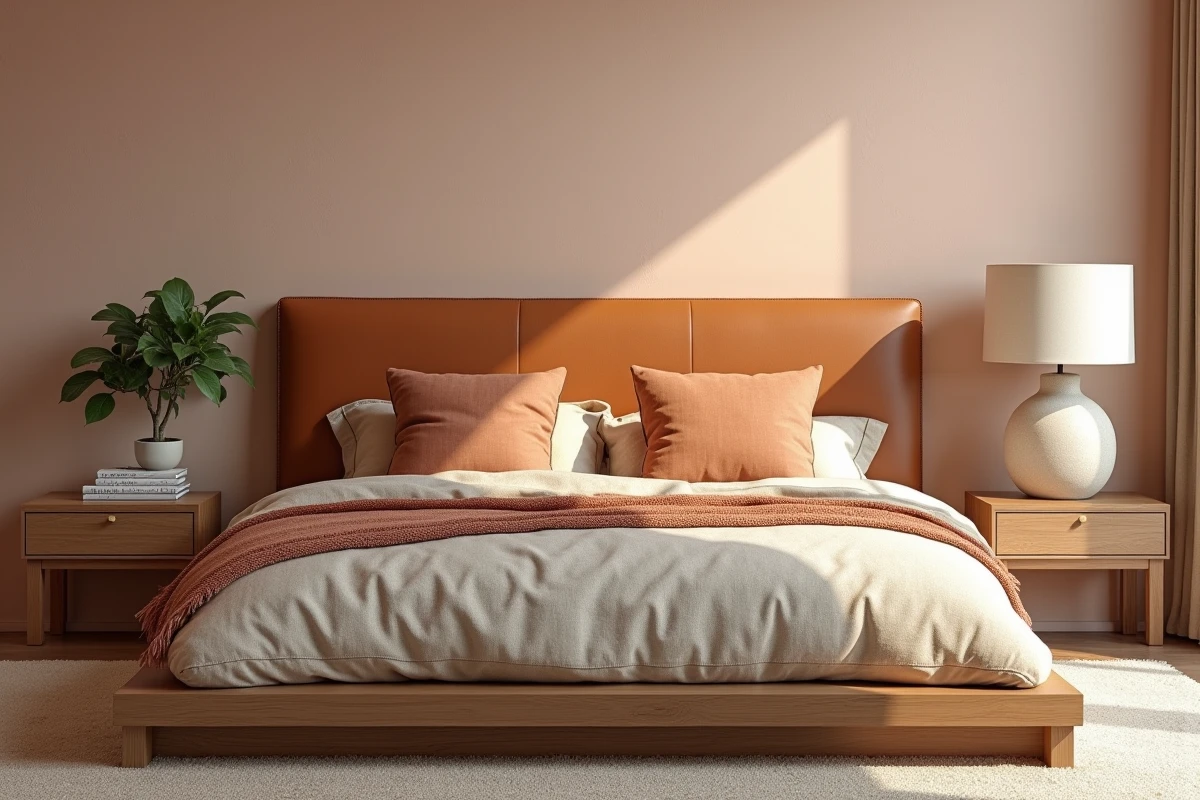
Custom Furniture and Modular Layout for Small Spaces
In urban renovation projects, the living area constrains everything else. Custom furniture is not a luxury but a technical response: integrated storage in partitions, benches with storage, shelves that fit under slopes.
Modular furniture extends this logic. A foldable table in a kitchen of less than ten square meters, a drop-leaf desk in a living room that also serves as a workspace: these solutions have existed for a long time, but their integration into architectural design (and not as an afterthought) makes the difference.
- Built-in storage in half-levels or stair steps utilizes every nook without visually weighing down the room
- Full-height sliding partitions allow reconfiguring a space according to use (meals, work, rest) without construction
- Wall-mounted drop-leaf countertops free up floor circulation in compact kitchens and bathrooms
The interior architecture that will enhance your living space in the coming years is not just about a trendy color or furniture style. It starts from measurable constraints (air quality, thermal performance, available space) and transforms these limits into aesthetic choices. The best projects are those where technique and design are decided together, from the very first plan.