
In an era where acceleration seems to govern our lives, a trend emerges as a soothing breath: slow travel. This approach to travel, far from the frenzy of traditional circuits, invites us to take our time, to blend into the landscapes and cultures, allowing every moment the possibility to marvel. Adherents of this philosophy prefer train journeys to rushed flights, extended stays to fleeting getaways, and the quality of experience to the quantity of kilometers traveled. Committed to an eco-responsible approach, slow travel redefines the concept of discovery by advocating for authentic and respectful immersion.
The fundamental principles of slow travel
Slow travel, this state of mind in travel that prioritizes the quality of experience over the quantity of sites visited, finds its roots in a broader movement, the slow movement. This cultural movement, which advocates for a reduction in the pace of life, extends well beyond the boundaries of mere travel. Its influence is felt in various fields, notably gastronomy with the Slow Food movement, founded by Italian sociologist and food critic Carlo Petrini, which fights against junk food and the standardization of food.
The ethics of slow travel resonate perfectly with the principles of sustainable tourism, which takes into account its current and future economic, social, and environmental impact. This type of tourism strives to contribute to environmental preservation and the well-being of local populations, thus promoting a more conscious and measured approach to travel. On the site World-24.eu, there is even a section dedicated to raising travelers’ awareness of sustainable tourism practices.
At the heart of slow travel lies the desire to use low ecological impact means of transport, such as trains, which allow for a slower and deeper immersion in the territories traversed. This dimension is also reflected in the concept of Cittaslow, a network of cities committed to promoting the well-being of their citizens and economic degrowth, influenced by the writings of Ivan Illich, author of the book ‘Energy and Equity’ and a precursor of the Cittaslow political movement.
Slow travel unfolds as a form of resistance to haste and rampant consumption. It is inspired by and supports initiatives such as slow tourism and the slow food movement, both integral parts of the slow movement and conveying a common philosophy: to slow down in order to appreciate, respect, and fully live each moment.
Practical tips for adopting slow travel in your journeys
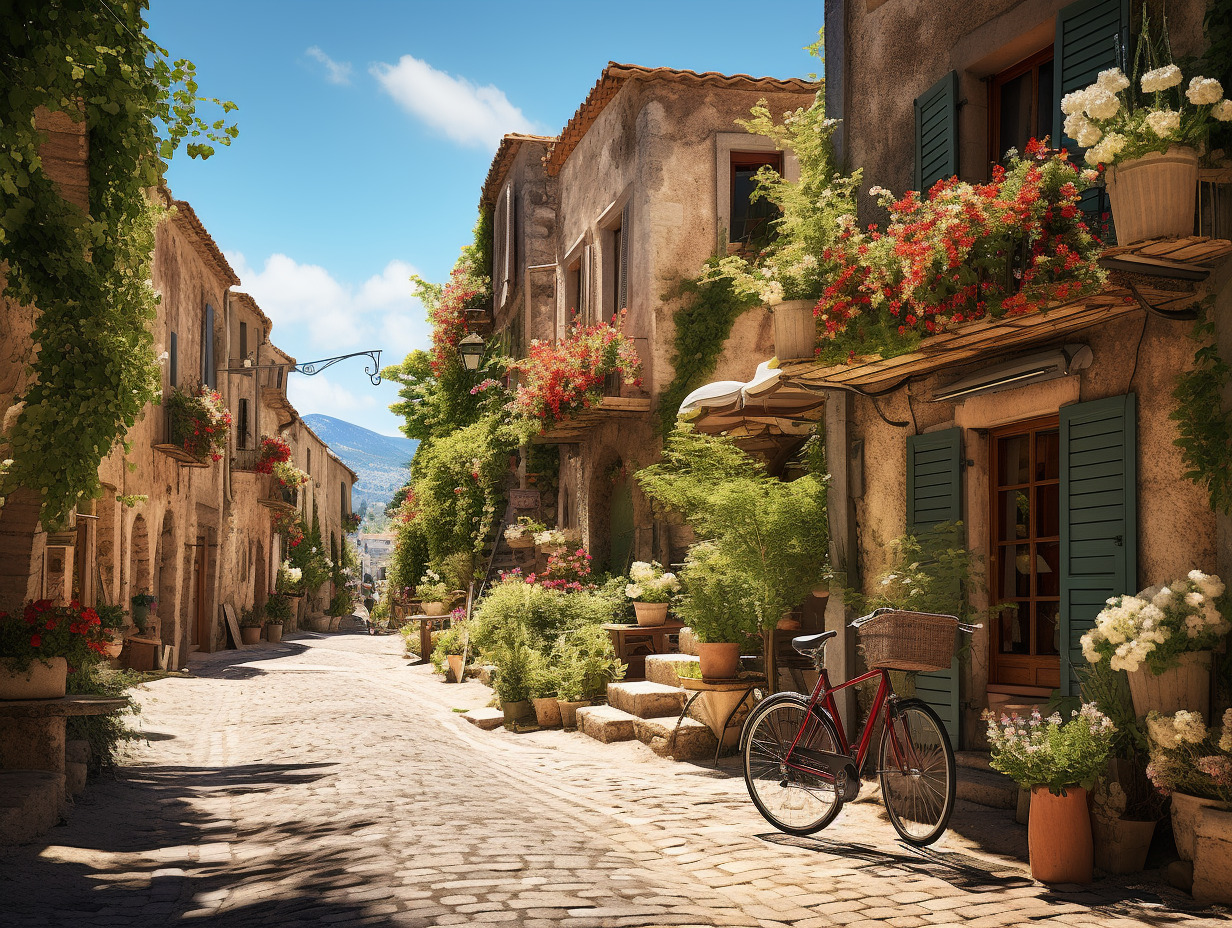
Slow travel proves to be a growing trend for travelers seeking authenticity and meaning. Adopting this approach involves rethinking how to move around. Prioritize low ecological impact modes of transport such as trains, walking, or cycling. These means not only reduce your carbon footprint but also allow you to soak in the landscape and local culture at a more human pace.
To align with this approach, travel preparation should be meticulous and thoughtful. Develop a travel guide that allows for spontaneity and immersion. The goal is no longer to tick off a list of tourist sites but to open up to enriching and diverse experiences that foster interactions with locals and the discovery of their way of life.
Slow travel harmoniously blends with responsible tourism. The latter encourages longer stays in the same destination, allowing for contributions to the local economy while providing the necessary time for a genuine connection with the place. Choose locally managed accommodations, participate in activities that support the community, and prioritize local products. Slow travel is not just a trend; it is a transformative experience that reinvents the way we travel.