Contemporary art, often perceived as enigmatic and inaccessible, can be a source of perplexity for many viewers. It extends beyond traditional conventions, embracing a multitude of mediums and concepts that challenge our usual understandings of aesthetics. To truly appreciate this form of art, one must be willing to engage with the works, explore their multiple interpretations, and understand the contexts in which they were created. It is an invitation to a dialogue between the artist, the work, and oneself.
Exploring Contemporary Art: Beyond First Impressions
Contemporary art, from its origins with Marcel Duchamp and his iconic ‘Fountain’, has always defied our expectations and understandings of art. Far from the traditional canvases mastered by artists like Picasso or Caravaggio, and foundational works like Claude Monet’s ‘Impression, Sunrise’, it opens a field of unprecedented experiences and inquiries. At the Autumn Salon of 1912 in Paris, visitors confronted with these new artistic expressions were invited to rethink their relationship with art. Today, conceptual and innovation are essential vectors for understanding artists like Jeff Koons, whose works embody the contemporary movement.
Within galleries and museums, such as the renowned Louvre, contemporary art coexists with history. This temporal and spatial proximity between eras offers the viewer an opportunity to perceive artistic continuities and breaks. A guide, whether physical or digital like on ‘Blogueur.net’, can serve as a mediator to decipher the codes of this form of expression. The didactic approach, which connects the past to the present, allows one to appreciate contemporary art not as a monolithic block but as an evolving conversation with its predecessors.
For those seeking to fully immerse themselves in contemporary art, engagement is a crucial endeavor. It is not just about looking at a work of art, but about questioning it, interacting with it, and attempting to grasp its stakes. Contemporary art requires active participation, where the viewer becomes an integral part of the artistic experience. This interaction can manifest as personal reflection, discussions with other art enthusiasts, or even exchanges with the artists themselves. Contemporary art is an invitation to explore, question, and engage in a dialogue with the world around us.
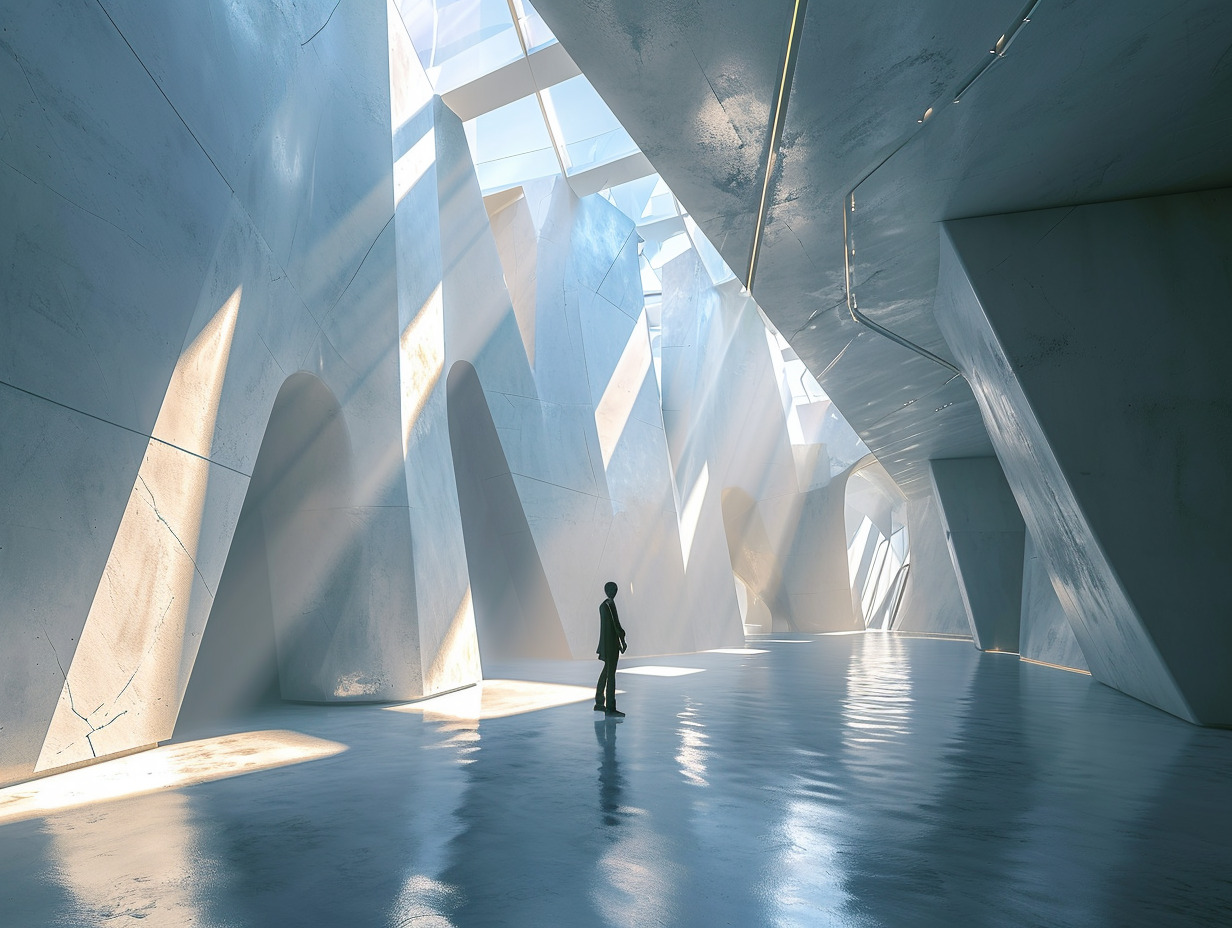
Engagement and Participation: Experiencing Contemporary Art
Engagement and participation are not empty words in the realm of contemporary art; they form its very foundation. Works such as Doug Aitken’s ‘Sonic Pavilion’ demand sensory and intellectual immersion from the observer. This installation, through its interaction with the environment and the viewer, perfectly illustrates the necessity of active participation to fully appreciate its significance.
The Fiac, the international contemporary art fair, is an example of a platform where the public and creators meet, exchange, and share their perceptions. The role of artistic education is central here, enabling everyone to decipher the sometimes cryptic language of contemporary art. Understanding is forged in the dialogue between contemporary artists like Jeff Koons and an informed audience eager to engage with the art of their time.
Maurizio Cattelan’s sculpture ‘Him’, depicting a controversial figure like Hitler, challenges the viewer on their own moral and emotional limits. The contemporary artist, through provocative and destabilizing works, invites deep reflection on history, society, and identity. Art thus becomes a mirror, often uncomfortable, of our contemporary societies.
The role of contemporary art is not limited to passive contemplation but expands to a lived experience, where the artwork acts as a catalyst for thought. Artists like Andy Warhol or Joseph Kosuth have pushed the boundaries between art and life, between object and concept, between creation and critique. Contemporary art, by its very essence, requires a personal investment and an incessant curiosity, opening ever-renewed horizons.