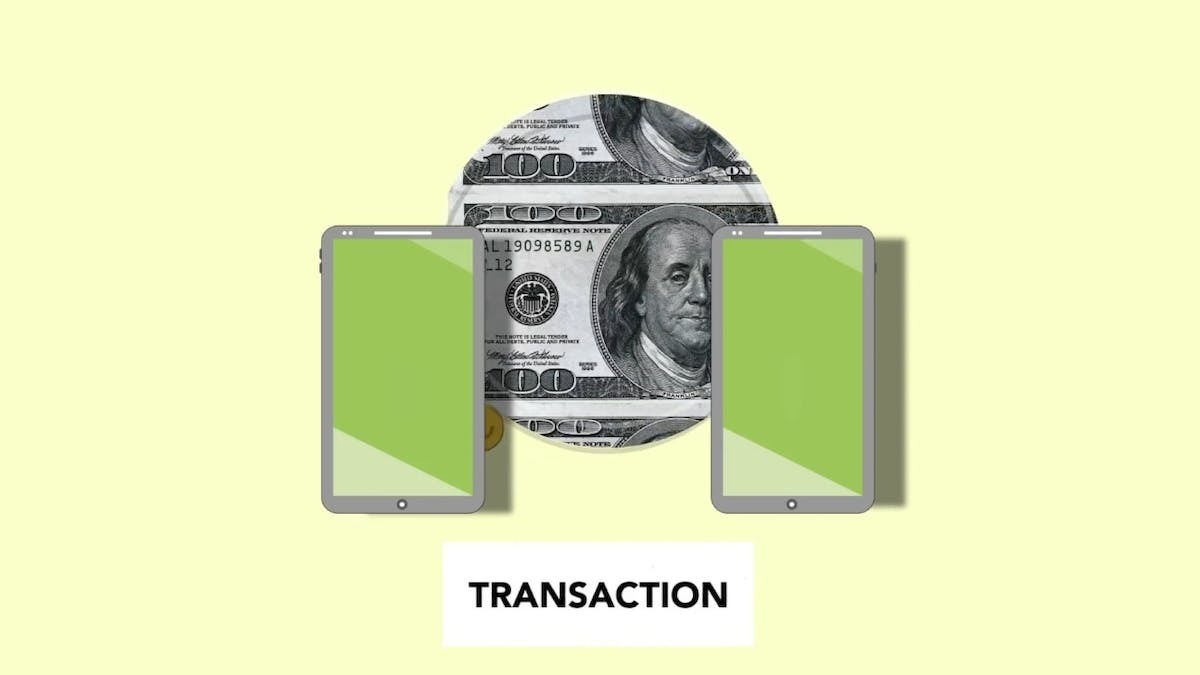
In an increasingly interconnected world, international money transfer has become a common practice for many. Whether it’s to send money to loved ones abroad, to pay for goods or services in another currency, or to manage offshore investments, the need to transfer money overseas is ubiquitous. Yet, the inner workings of these services remain a mystery to most. How is money actually sent from one country to another? What are the fees involved? What are the risks? These are questions that need to be answered to navigate confidently through the complex landscape of international money transfers.
The Roots of Global Money Transfers
In the dynamic and interconnected world of international money transfers, various players play a leading role. One of the market leaders is undoubtedly Western Union, a company whose reputation is well-established in this sector. But it may be interesting to look into the question: how does Western Union work?
Western Union was founded in 1851 in the United States and has since established itself as one of the leading platforms for international money transfers. The operation of Western Union is quite simple yet elaborate to ensure the security of transactions.
The process begins when the customer deposits a certain amount of money with a local agent or directly on the company’s website. At this stage, the customer will be asked to provide detailed information about the recipient, such as their full name, country of residence, and certain other specific details according to the regulations in force in each country.
Once this information is validated by their sophisticated system that encrypts and secures all sensitive data provided by its customers, Western Union then takes care of transferring this money to its final destination – the bank account of the recipient mentioned during the initial deposit.
A unique MTCN (Money Transfer Control Number) is then generated for each transaction made via Western Union. This number allows both the sender and the recipient to easily track the progress of the transfer until its completion.
‘How does Western Union work’ becomes evident: it is an efficient means with a global reach allowing users to send or receive funds quickly anywhere in the world through their thousands of local authorized service points or online while ensuring great security through their advanced technological systems.
Of course, there are also other notable players in this market such as MoneyGram or PayPal, each offering their own respective solutions for international transfers. Therefore, you should always compare before choosing to get the service that best meets your specific needs in terms of cost, reliability, and speed.
Key Players in the Money Transfer Market
International money transfer services offer many advantages, but they also come with some disadvantages that need to be considered. Let’s start by examining the benefits:
These services allow for fast and efficient global transfers. Whether you need to send or receive money in another country, it only takes a few clicks to complete the transaction. No more waiting several days for the money to arrive at its destination; transfers are usually completed in just a few minutes.
These services offer great flexibility in terms of payment method choices. You can choose to send or receive funds directly to your bank account, via a prepaid card, or even in cash through physical locations available worldwide.
The Pros and Cons of International Money Transfer Services
When it comes to money transfer methods available today, there are a multitude of options. Here are some of the most common:
Bank transfers: This method is the most traditional and involves transferring money from one bank account to another. It can be done online or by physically going to a bank branch. The fees associated with international bank transfers can vary significantly, so you need to compare the rates offered by different financial institutions.
Specialized transfer services: These are companies like Western Union, MoneyGram, or TransferWise that specialize in international money transfers. These services often offer competitive rates and also allow recipients to pick up cash at certain physical locations.
Digital platforms: With the advent of new technologies, several companies have developed their own digital platforms to facilitate cross-border financial transactions. Among these platforms are PayPal, Venmo, or Skrill, which allow you to easily send and receive money with just a click on your smartphone or computer.
Cryptocurrency: The emergence of cryptocurrencies like Bitcoin has also introduced a new method for international money transfers. Although it is relatively new and still raises some skepticism, cryptocurrency offers a fast and secure alternative for international money transfers, often eliminating currency conversion fees.
You should note that each money transfer method has its own advantages and disadvantages. Before choosing the method that suits you best, consider factors such as associated fees, transfer speed, and ease of use. It may be wise to check the exchange rates offered by different financial institutions or digital platforms to get the best value for your transaction.
Thanks to the various services available today in the international money transfer market, it has never been easier and more convenient to send or receive funds abroad. Whether you need to help a family member in another country or conduct cross-border business transactions, these services provide an effective solution to meet your financial needs on an international level.
The Money Transfer Methods at Your Disposal
When using international money transfer services, be sure to consider the associated costs. Rates can vary significantly from one service to another, and it’s important to understand how these fees are calculated.
Most services charge fixed fees for each transaction. These fees cover the costs related to processing the transfer and maintaining the necessary infrastructure to ensure secure transmission of funds. They can be expressed as a fixed amount or as a percentage of the total amount sent.
In addition to fixed fees, some services also impose exchange fees. When you make a transfer in a different currency than the one used by the recipient, a currency conversion occurs. This often results in additional charges that vary according to the exchange rate applied by the service. It is crucial to carefully check the rates offered to avoid any unpleasant surprises.
Some providers go even further by also charging a margin on the actual exchange rate. This margin allows them to make an additional profit on each transaction conducted. To minimize your expenses, it may be wise to use an online comparator that gives you access to the different rates charged by various platforms available on the market.
Be sure to consider taxes, government fees, or other specific charges associated with these transfers.
Also consider the transfer speed when evaluating the total costs. Some services offer express options for those who need the money transferred quickly. These options may incur higher additional costs.
It is therefore crucial to weigh all elements carefully to choose the service that best meets your needs and budget. By carefully comparing rates and studying all available information on each service, you will be able to make an informed decision about the best choice for your international financial transactions.
In this section, we explored various aspects related to the associated costs of international money transfer services. In the next section, we will analyze in detail some practical tips for saving on these fees and maximizing the efficiency of your cross-border financial transactions.
The Fees Associated with International Money Transfers
When you make an international money transfer, certain precautions must be taken to ensure the security and reliability of your transaction. Here are some tips to follow:
Check the provider’s identity: Before using the services of a money transfer provider, ensure that they have the necessary licenses and authorizations in the country where you reside as well as in the country where the recipient is located.
Choose a reputable provider: Opt for a well-established and recognized company in the market. Check online reviews and seek recommendations to select a reliable service that complies with current regulatory standards.
Protect your personal information: When creating an account or making an online transaction, be sure to use complex and secure passwords. Never share your confidential information with unauthorized third parties.
Check the delivery times: If you need the money delivered quickly, inquire about processing times before making your transaction. Some services even offer real-time tracking so you can check the status of your transfer at any time.
Carefully read the terms and conditions: Before approving a transaction, take the time to carefully read all the clauses of the contract proposed by the chosen provider. Make sure you clearly understand all the fees involved in the transaction.
Keep all your receipts: It is important to keep a copy of all receipts, confirmations, or other documents proving that you made the transaction. This can be useful in case of disputes or if you need to recover your money for any reason.
Essential Precautions for a Secure Money Transfer
Transfer fees are an important aspect to consider when choosing an international money transfer service. Each provider has its own rates, so be sure to compare them to get the best value for your money.
Some services charge fixed fees per transaction, while others apply a percentage on the amount sent. Be sure to also consider any exchange fees that may apply if you send money in a different currency than the one used in your country.
Make sure to inquire about the exchange rates offered by each provider.