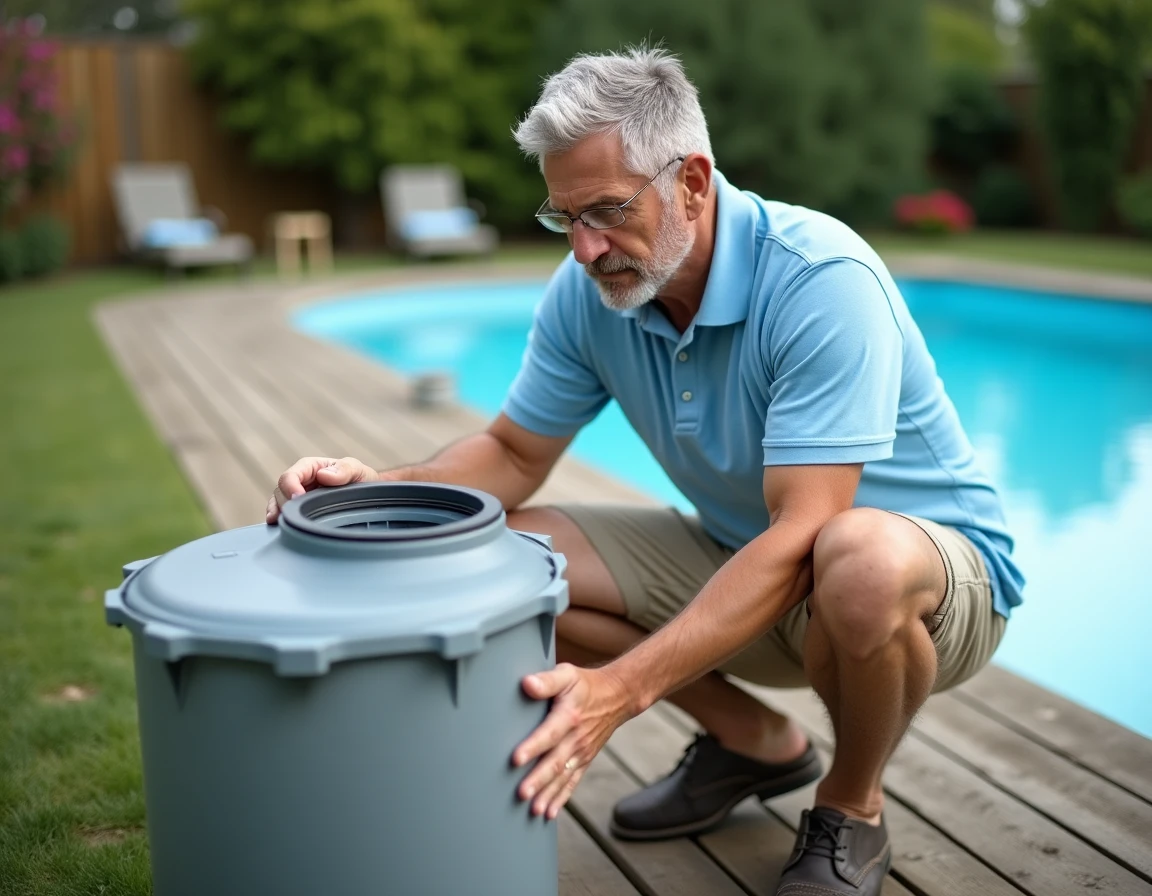
Your filter cartridge is out of service, the new one won’t arrive for three days, and the pool pump is running empty. The temptation is strong to let the system operate as it is to maintain a minimum circulation. This idea seems logical, but it raises several concrete problems that mere water circulation does not solve.
What really happens in the hydraulic circuit without a filter cartridge
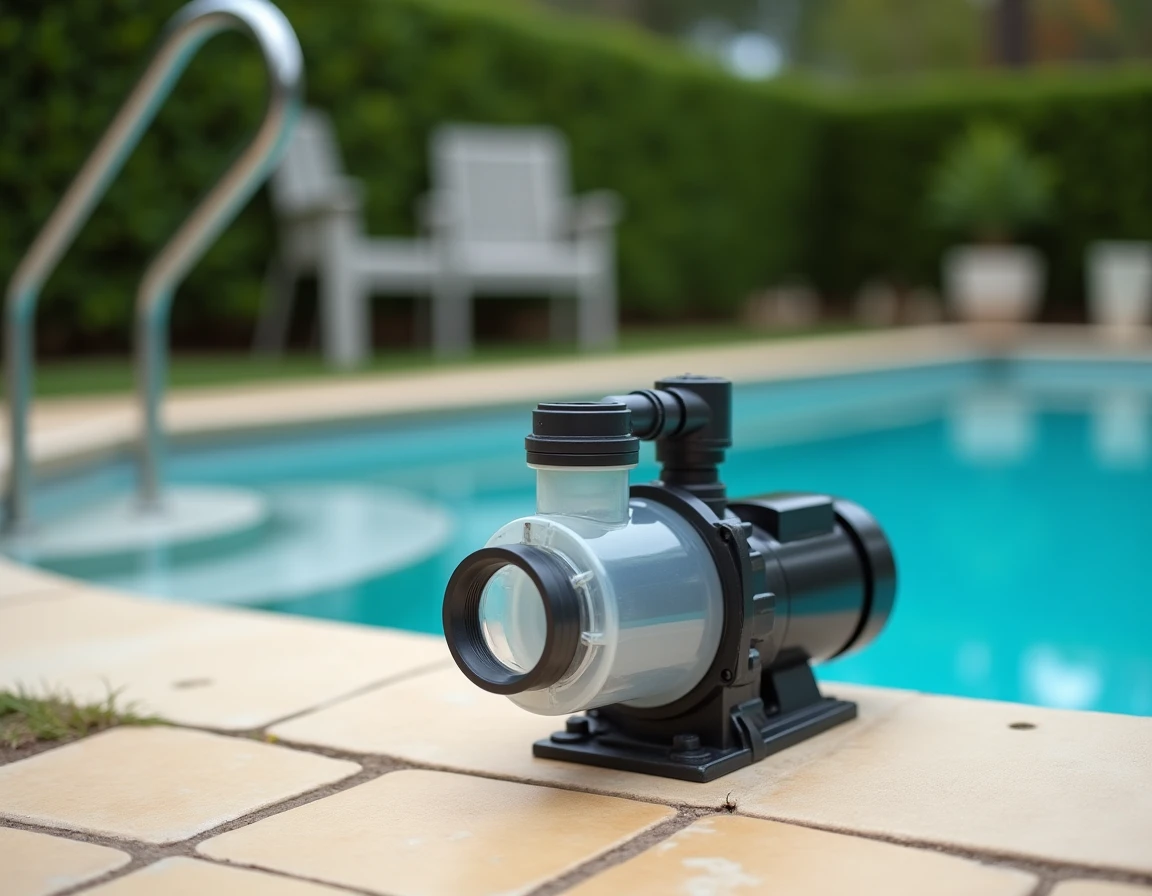
A pool pump without a cartridge circulates water without any mechanical barrier. The particles sucked in by the skimmers pass through the filter body and return directly to the pool. You are agitating the water, but you are not cleaning it.
The flow rate increases significantly since hydraulic resistance disappears. Some pool owners see this as an advantage, thinking that more intense circulation compensates for the lack of filtration. In practice, a flow rate without filtration does not remove any particles from the water.
The problem goes beyond visible turbidity. Micro-debris, pollen, and algae spores remain suspended. The chemical treatment (chlorine, bromine) then has to tackle an organic load that the filter would normally have captured upstream.
The result: chemical product consumption rises, and their effectiveness decreases. If you are looking for Habitat Vision pool tips on this specific point, the logic remains the same: without a physical barrier, chemicals alone are not enough to maintain healthy water over time.
Another rarely mentioned effect concerns the accelerated wear of the pump itself. Abrasive particles (fine sand, gravel, plant debris) circulate freely in the circuit and pass through the turbine. Repair shops notice damage to seals and mechanical fittings related to this type of prolonged use without a filter.
Pump without cartridge and enhanced chemical treatments: the true cost over a season
Are you wondering if doubling the doses of chlorine could replace filtration? This strategy is more expensive than it seems, and not just financially.
Mechanical filtration removes the majority of particles before the disinfectant intervenes. Without this step, chlorine or bromine gets exhausted oxidizing organic matter instead of disinfecting the water. The demand for product increases, the pH fluctuates more, and adjustments become almost daily.
Over a complete season, the difference translates into several additional expense items:
- A significantly higher disinfectant consumption, as each swim adds organic matter that nothing filters upstream
- pH correctors used more frequently, excess chlorine causing variations in the acid-base balance of the water
- A more frequent risk of partial draining if the water becomes cloudy despite treatments, which increases the water bill
Compare this budget to that of a set of replacement cartridges over the same period. The cartridge filter represents a modest cost compared to the accumulation of chemical products and corrective interventions.
There is also an environmental angle. Local regulations regarding pool water discharges encourage maintaining effective filtration before any partial draining. Discharging unfiltered and over-chlorinated water poses a regulatory problem in certain municipalities, even if public guides do not always mention it.
Temporary troubleshooting: how long can you really run without a filter
Some manufacturer manuals allow very occasional operation without a cartridge, for example for rinsing the filter body or checking the flow rate. We are talking about a few minutes, not a few days.
Beyond a few hours, the first signs of water degradation appear. In the peak season, with high temperatures, algae proliferation can begin in less than 24 hours without mechanical filtration.
If you are waiting for a new cartridge, three reflexes can limit the damage:
- Cover the pool with a tarp to reduce the influx of external debris and limit water warming
- Maintain the chemical treatment at its usual level without overdosing, as without filtration the excess product does not distribute properly
- Use a vacuum robot or a skimmer to manually remove visible debris, which the pump alone no longer does
The pump can remain off during this short period if the water temperature remains moderate. Running the motor without a filter does not provide any real benefit and exposes the turbine to abrasive particles.
Sustainable alternatives to disposable pool cartridges
If the frequent cleaning or replacement of cartridges annoys you, alternatives exist without giving up mechanical filtration.
Washable and reusable cartridges retain a particle retention function while reducing the frequency of replacement. Their mesh retains the main debris and they can be cleaned with a water jet. These reusable cartridges reduce waste without sacrificing filtration quality.
The sand or glass filter is another option for medium to large pools. This system operates through backwashing and does not require a cartridge. The filtering medium (sand or glass) is replaced every few years depending on use. Installation requires more space and a connection to drainage for washing, but routine maintenance is less frequent.
Whatever system is chosen, filtration remains the first line of defense against water degradation, well before chemicals. Removing this step, even temporarily, amounts to treating symptoms without ever addressing the cause. The choice of filter type depends on the pool volume, available space, and maintenance budget, but none of these criteria justify doing without it.